
Subscribe to our Newsletter


WeShip United States




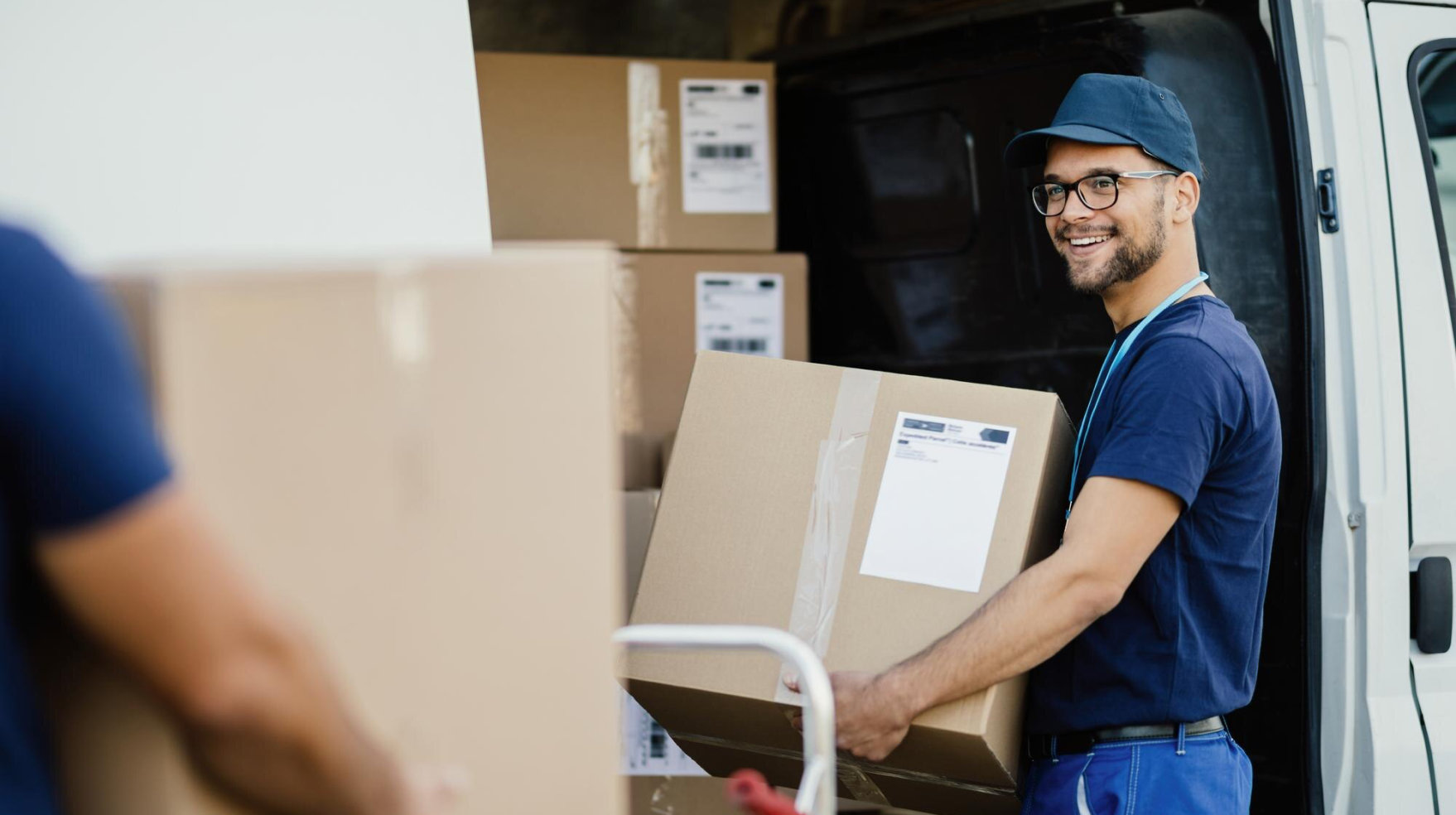

The upcoming FIFA World Cup 2026 will not only be one of the biggest sporting events in the world, it will also drive a major spike in consumer demand, especially in categories like:
Millions of people shopping at the same time means one thing:
👉 your logistics operation needs to be ready.
During massive events like the World Cup, ecommerce businesses typically face:
If your logistics operation isn’t prepared, you risk losing sales or worse, customers.
Order volume can surge during key moments (important matches, finals, promotions).
What to do:
How we solve it at WeShip:
You can generate shipments in bulk, upload orders via CSV, and process everything in minutes.
During the World Cup, customers don’t want to wait.
👉 They want their jersey before the match, not after.
What to do:
How we solve it at WeShip:
You can integrate fast and on-demand delivery options directly into your existing shipping workflow.
During peak seasons, shipping rates and delivery times can fluctuate.
What to do:
Choose the best option for each shipment, not always the same carrier.
How we solve it at WeShip:
Compare multiple carriers in real time and select the most efficient option based on cost and speed.
During high-demand events, even small delays can turn into bad customer experiences.
What to do:
Track all shipments and detect issues early.
How we solve it at WeShip:
With WeShip Track, you can monitor all shipments from a single dashboard and take action before issues affect your customers.
Customers will be more attentive than ever to their orders.
What to do:
How we solve it at WeShip:
You can offer branded tracking pages and a much more transparent post-purchase experience.
The most common mistake is treating logistics as purely operational when it’s actually a growth driver.
During the World Cup, your logistics can become your competitive edge:
The FIFA World Cup 2026 is not just a sporting event, it’s a major commercial opportunity.
Businesses that prepare their logistics operations:
The difference isn’t just what you sell, it’s how fast and how well you deliver it.
The World Cup significantly increases demand, leading to higher order volumes, more pressure on logistics operations, and a stronger need for faster delivery.
By automating processes, using multiple carriers, and improving shipment visibility.
Yes. Customers want to receive their products before key matches or events, making faster delivery a strong competitive advantage.
Jerseys, sports merchandise, electronics, and products related to watching matches.
By using platforms that allow you to compare shipping options, automate operations, and track shipments in real time.


