
Subscribe to our Newsletter


WeShip United States




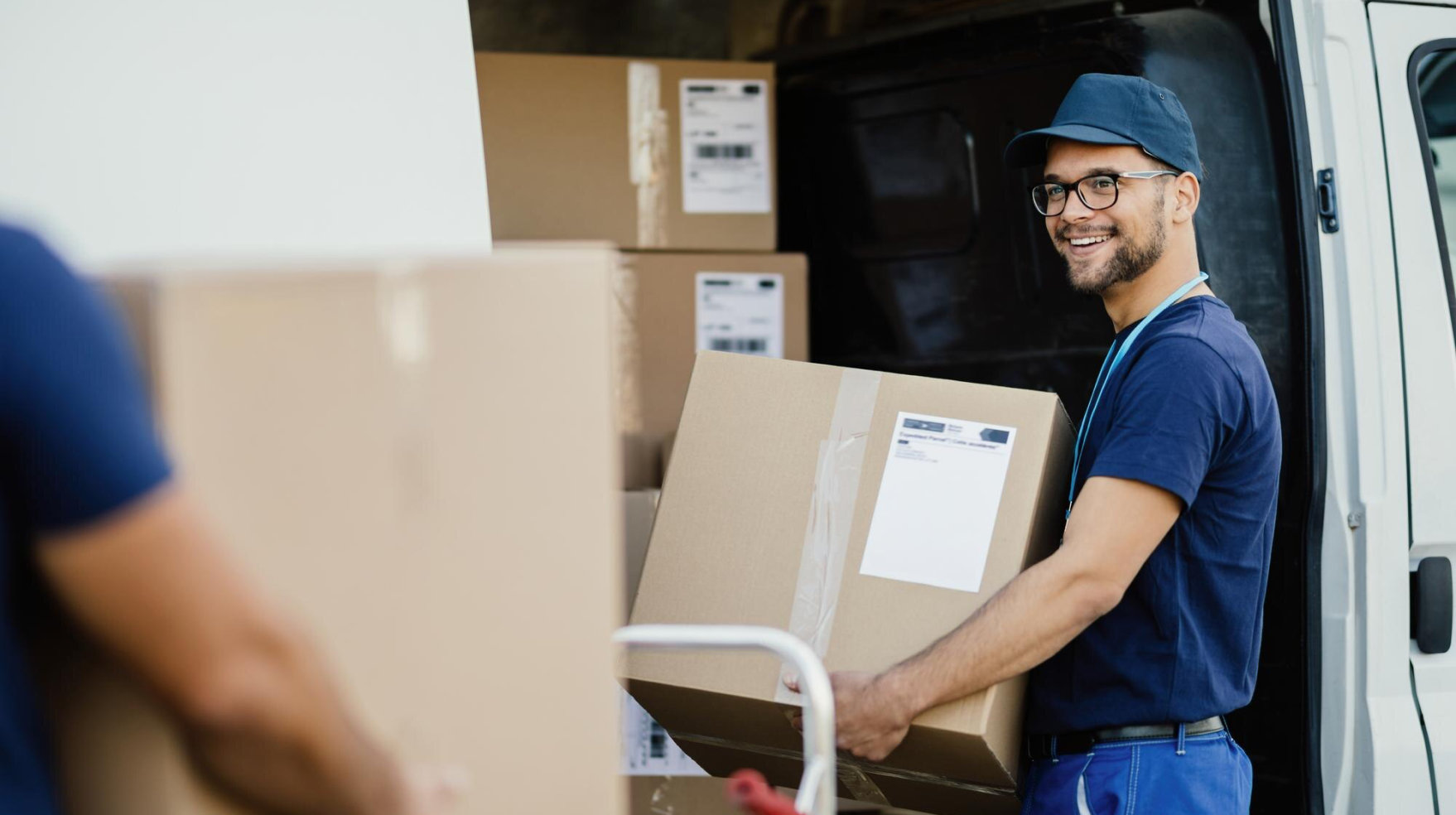

Shipping costs can represent up to 30% of an ecommerce business’s operating expenses. And in 2026 where customers expect fast, transparent, and seamless delivery, reducing these costs without affecting the experience is critical for growth. The good news is: you can optimize your logistics without sacrificing speed or quality. Here’s how.
One of the most common mistakes is depending on a single carrier. Every shipment has different variables: destination, weight, dimensions, and delivery times.
👉 Using only one option often means you’re overpaying.
What to do:
Compare multiple carriers in real time to always choose the most cost-efficient and reliable option.
How we solve it at WeShip:
We centralize multiple carriers in one platform so you can compare rates and generate labels in seconds.
Many businesses think they need high shipping volumes to negotiate better rates, that’s no longer the case.
What to do:
Use platforms that offer pre-negotiated rates without contracts or minimums.
How we solve it at WeShip:
We negotiate rates with carriers and make them available to businesses of all sizes from your very first shipment.
Small adjustments can lead to significant savings.
Common mistakes:
What to do:
Optimize packaging to reduce size and weight while keeping products safe.
Manual processes don’t just take time, they also lead to costly errors.
What to do:
Automate label generation, order uploads, and shipment management.
How we solve it at WeShip:
Failed deliveries, delays, and lost packages create additional costs: reshipping, customer support, and returns.
What to do:
Have full visibility into every shipment.
How we solve it at WeShip:
With WeShip Track, you can monitor all shipments in one dashboard, detect issues early, and take action before they impact your customers.
You can’t improve what you don’t measure.
What to do:
Track key metrics like:
How we solve it at WeShip:
Our logistics analytics help you make data-driven decisions to continuously optimize your operations.
Not every shipment needs to be urgent, but in some cases, faster delivery can reduce indirect costs (customer support, cancellations, cart abandonment).
What to do:
Offer same-day or instant delivery options in key areas.
How we solve it at WeShip:
With on-demand delivery integrations, you can offer deliveries that arrive in minutes, all from the same platform.
Reducing shipping costs isn’t just about paying less per label.
It’s about optimizing your entire logistics operation:
Together, these improvements can significantly impact your margins—and your customer experience.
You can reduce costs by comparing carriers, optimizing packaging, automating processes, and using platforms that offer discounted shipping rates.
It depends on factors like destination, weight, and urgency. The best approach is to compare multiple carriers in real time to find the most cost-effective option for each shipment.
Shipping costs depend on weight, dimensions, distance, delivery speed (express vs standard), and the carrier you choose.
You can use shipping platforms that integrate with your store (Shopify, ERP, etc.) to automatically generate labels, track shipments, and manage operations.
Relying on a single carrier is not recommended. Each shipment has different variables, so using multiple carriers allows you to choose the most efficient option every time, reduce costs, and improve delivery performance. That’s why many businesses use multi-carrier platforms to centralize their shipping operations.


