
Subscribe to our Newsletter


WeShip United States


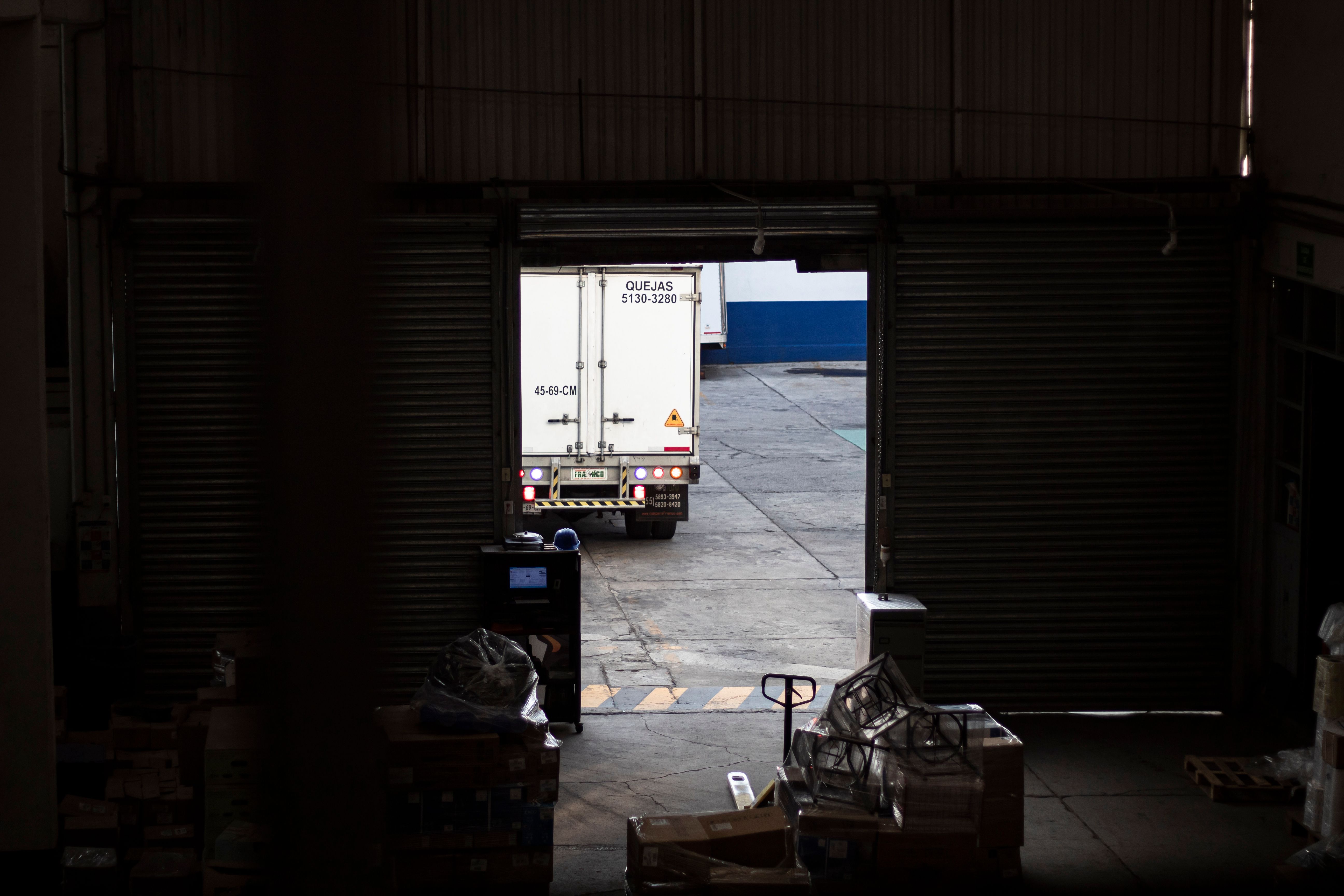



It’s probably happened to you.
A customer places an order.
You prepare the package, print the shipping label, and everything leaves the warehouse without any issues.
A few hours later, the messages begin:
"Where's my order?"
"The tracking hasn't updated."
"It was delivered to the wrong address."
"My package still hasn't arrived."
Most shipping incidents don't happen all at once. They're usually the result of small mistakes that accumulate throughout the shipping process. The good news? Many of them can be prevented.
When we think about shipping issues, we usually imagine lost packages or delayed deliveries.
But many problems actually begin before the shipment ever leaves the warehouse.
An incomplete address.
An incorrect ZIP code.
Wrong package dimensions.
Choosing a carrier that wasn't the best option for that destination.
Small mistakes like these can lead to delays, additional costs, or even returned shipments.
Once a package leaves the warehouse, many businesses lose visibility into what happens next.
And without visibility, there's no ability to react.
That's why real-time tracking is so valuable, it allows you to identify issues before your customer has to report them.
Instead of reacting to problems, you can prevent them.
When your shipping operation relies entirely on manual processes, mistakes become much more likely.
Entering orders one by one.
Selecting carriers manually.
Generating each shipping label individually.
All of these tasks consume time and increase the risk of human error.
Automation ensures repetitive tasks are handled consistently, reducing mistakes while improving efficiency.
The most efficient logistics operations aren't the ones that solve the most problems, they're the ones designed to prevent them from happening in the first place.
That means:
At WeShip, we help businesses reduce shipping incidents by centralizing their entire logistics operation on a single platform. That way, you spend less time solving problems and more time growing your business.
The most common causes include incorrect order information, invalid addresses, manual processes, lack of shipment visibility, and choosing the wrong shipping service.
Automate your workflows, verify shipment information before generating labels, monitor shipments in real time, and use a platform that centralizes your logistics operation.
Because it helps identify delays or issues before they impact the customer, allowing your team to respond faster and more effectively.
Yes. By minimizing manual tasks, automation reduces mistakes when generating shipping labels, selecting carriers, and managing orders.
WeShip centralizes shipping management, automates logistics workflows, lets you compare multiple carriers, and provides real-time visibility so you can prevent and detect shipping issues more efficiently.


