
Subscribe to our Newsletter


WeShip United States




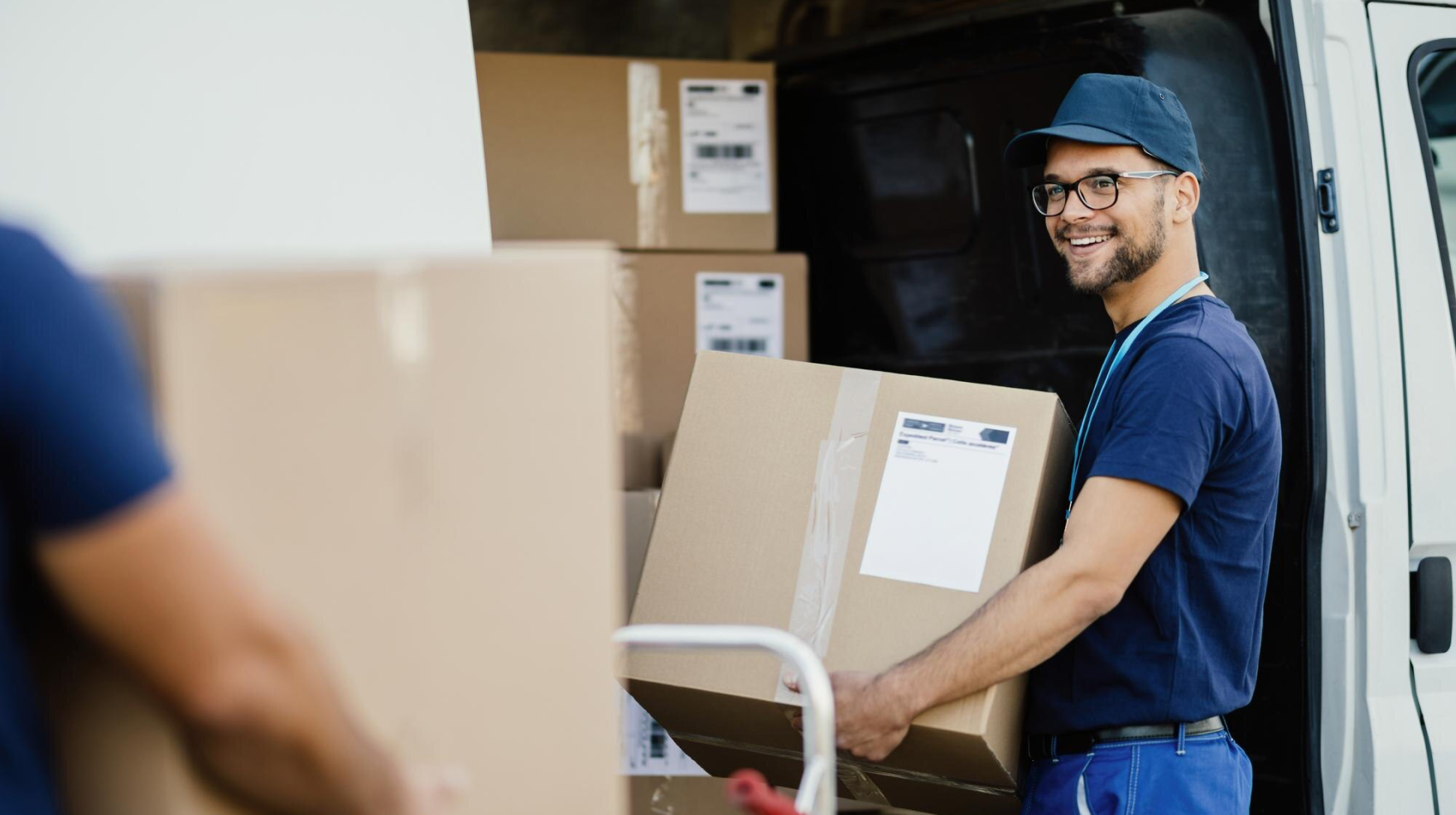

Imagine a customer receives an order but needs to exchange it for a different size. Or someone places an order and requests delivery on a specific date.
For an online store, these situations are part of everyday operations.
The challenge isn’t just generating a shipping label. It’s coordinating package transportation, keeping customers informed, and preventing every request from becoming a manual process.
That’s why, when evaluating shipping platforms for businesses in Mexico, it’s important to consider how they help manage both deliveries and returns.
A return involves shipping a product back from the customer to the business, warehouse, or distribution center.
Depending on the store’s process, this may require a new shipping label, a pickup, and tracking until the package reaches its destination.
A logistics platform can simplify shipping label generation and make it easier to track the return shipment.
However, it’s important to distinguish between managing return shipping and handling the entire returns process, which may include authorizations, exchanges, and refunds.
With WeShip, you can compare rates and generate shipping labels for return shipments, depending on service availability and applicable conditions.
Not every order needs to be delivered immediately.
Some customers prefer receiving their packages on specific days or need to arrange delivery in advance.
It’s important to understand the difference between an estimated delivery date and a service that allows you to schedule a specific delivery date or time.
When comparing business shipping services, consider:
A shipping platform can help you explore different services, but scheduled delivery availability depends on the carrier and destination.
Instead of focusing only on the cost of a shipping label, consider what happens throughout the package’s entire journey.
First, compare the available carriers.
A good courier comparison tool allows you to review shipping rates, coverage, and estimated delivery times based on the shipment’s characteristics.
Next, evaluate how easy it is to generate shipping labels.
When your e-commerce business processes multiple returns, having a centralized platform can reduce the need to enter information across different carrier portals.
Finally, consider shipment visibility.
Centralized tracking allows you to monitor the status of deliveries and returns, helping you maintain better control over your operations.
These criteria are useful for both small businesses and companies managing higher order volumes.
WeShip is a multi-carrier shipping platform that allows you to compare rates, generate shipping labels, and track shipments from one place.
For ecommerce shipping operations, it offers tools such as:
These features can help organize both regular shipments and the transportation of products that need to be returned to your business.
For delivery services requiring a specific date or time, it’s necessary to verify the available options with each carrier.
Returns and deliveries are part of the overall experience customers have with your brand.
When someone needs to return a product or check the status of an order, they expect clear information.
That’s why choosing between different Mexico shipping solutions also means evaluating how much visibility you’ll have after generating a shipping label.
Centralizing logistics information can simplify customer service and help your team respond more quickly.
It depends on each business’s needs. WeShip allows you to compare shipping rates, generate labels, and track packages, which can simplify the transportation of returned products.
You can use a shipping platform to enter the package’s origin, destination, and characteristics, compare available services, and generate a new shipping label for the return shipment.
Some services offer scheduled or appointment-based delivery options, depending on the carrier, coverage, and destination. It’s important to confirm availability before booking the service.
A return is the process of sending a product back to the business. A pickup is a service in which a carrier physically collects a package from a specified address.
Because it allows you to compare different carriers, generate shipping labels, and centralize shipment tracking from one place.


