
Subscribe to our Newsletter


WeShip United States




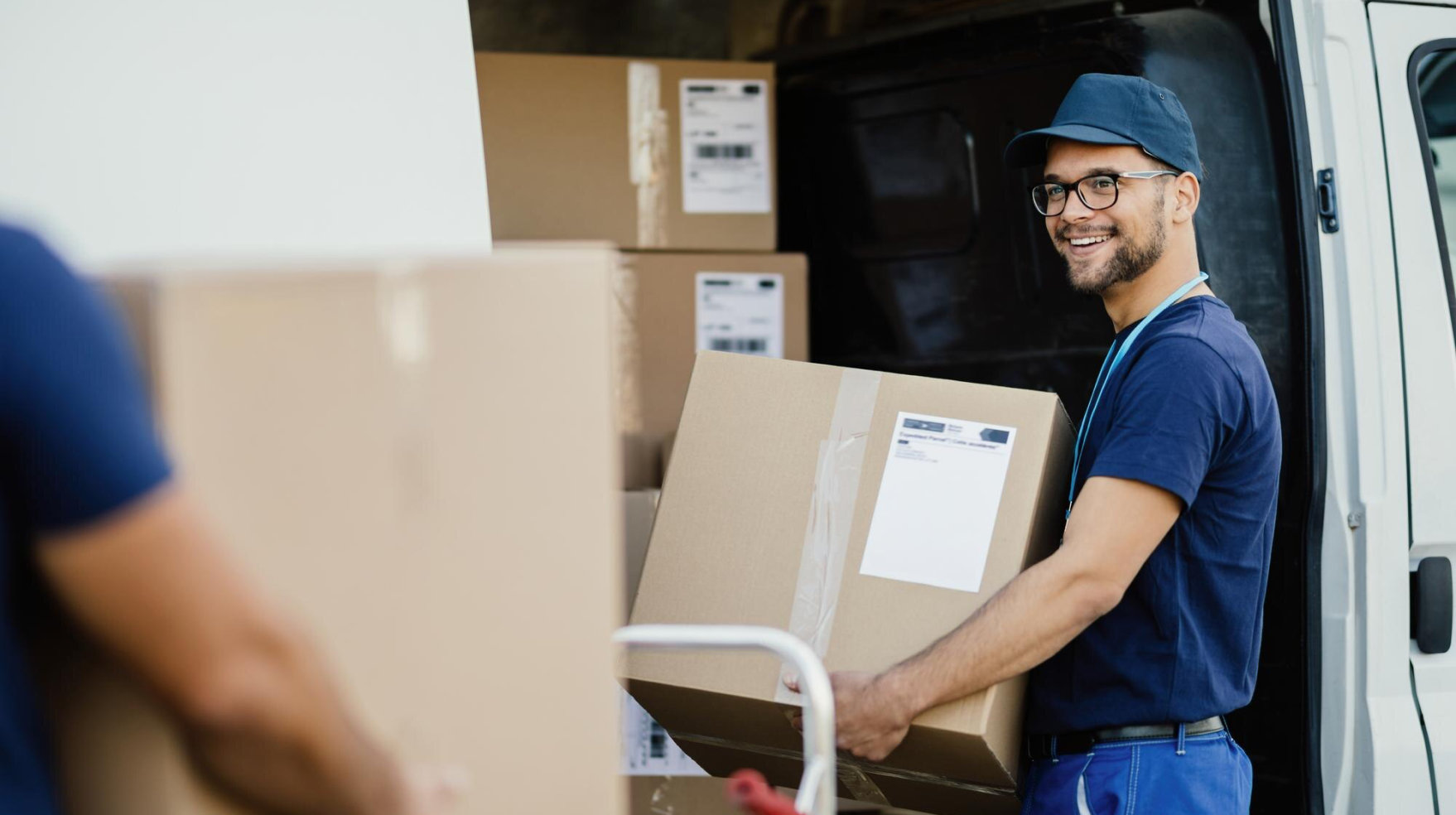

A wine or beverage store can receive very different types of orders throughout the same day.
One bottle.
A full case.
An order going to another city.
A higher-volume purchase.
And even though they all come from the same e-commerce store, they don’t necessarily require the exact same logistics solution.
That’s why choosing among different shipping platforms for businesses in Mexico should go far beyond asking:
“Where can I generate a shipping label?”
The real question is:
“Which platform can help me manage my entire operation as order volume grows?”
For a wine or beverage brand, packaging and order preparation play an important role in the shipping process.
Bottles may require additional protection, and orders can vary significantly in weight and dimensions depending on how many units the customer purchases.
That’s why, before evaluating shipping services, think about the types of orders you actually process:
1 bottle → multiple bottles → full cases → higher-volume orders.
A good platform should allow you to manage that variety without forcing every order into the same workflow.
Shipping needs can vary depending on the origin, destination, weight, dimensions, and characteristics of each shipment.
That’s where a multi-carrier solution becomes valuable.
Instead of relying on a single option for your entire operation, you can review different available services and choose based on the needs of each order.
For a brand selling across different regions of Mexico, that flexibility can be especially important.
The best business shipping solutions shouldn’t limit your decisions.
They should give you more options to make them.
When you handle different types of orders, you also need the ability to evaluate different shipping options before generating each shipment.
A platform can help you compare information such as:
Rate + service + estimated delivery time + availability
This allows each decision to adapt to the needs of the order instead of automatically using the same option every time.
And as volume increases, that process should also be able to scale through automation rules.
This is where a shipping platform is really put to the test.
Generating a few shipping labels manually may work.
Doing the same thing during a campaign, product launch, or peak season is another story.
Good shipping management software should help reduce repetitive tasks through features such as:
Technology should allow order volume to increase without manual work growing at exactly the same rate.
Once the package leaves, another important stage begins.
The customer wants to know where it is.
Your team needs to know whether it’s moving as expected.
And if an exception occurs, you need to be able to detect it.
Centralizing parcel delivery tracking gives you greater visibility across different shipments from one place.
This becomes especially useful when you’re managing a high volume of orders and can’t check every tracking number individually.
For the customer, the purchase doesn’t end when they pay.
It ends when they receive their order.
That’s why notifications and tracking pages can become an important part of the post-purchase experience.
Keeping customers informed throughout the process reduces uncertainty and helps the e-commerce shipping experience feel connected to the rest of your brand.
For products where presentation and the overall purchasing experience matter, delivery shouldn’t feel like a completely separate process either.
This point deserves special attention.
Alcoholic beverage shipments may be subject to specific requirements, restrictions, or conditions depending on the product, service, carrier, and destination.
That’s why, before beginning operations, brands should verify which rules apply to their products and make sure they comply with the corresponding requirements.
When evaluating a platform, it’s also important to understand which shipping options are available for your type of product and maintain clear internal processes around:
Product → documentation → packaging → service → destination.
Technology can help organize your operation, but compliance with applicable requirements should remain part of the company’s shipping process.
WeShip helps e-commerce businesses centralize their logistics operations from a single platform.
You can review different shipping alternatives and work with multiple carriers based on the options available for each order.
Look for multi-carrier management, shipping option comparison, bulk label generation, automation, e-commerce integrations, pickup management, and tracking tools.
Yes. A multi-carrier platform allows you to centralize different shipping options and manage them within the same operation, depending on the services available.
It can reduce manual work by centralizing processes such as order synchronization, shipping label generation, automation, pickups, and order tracking.
Requirements and restrictions may vary depending on the product, carrier, service, and destination. Businesses should verify the applicable conditions before shipping and comply with the corresponding requirements.
Evaluate whether the platform can support your entire shipping workflow: store integration, multiple shipping options, rate comparison, automation, shipping label generation, tracking, and tools to manage higher order volumes.


